DSN WIRESUN 11 OCT 20260421 UTC
Military / War
ANALYSISThe United States launched its largest strikes on Iran since the April ceasefire on July 8, 2026 — hitting 90 IRGC military targets across Qeshm Island, Bandar Abbas, Sirik, Lavan Island and Konarak
FILED 5 MIN READ
Bandar Abbas / Qeshm Island / Washington D.C. — July 8–9, 2026
The ceasefire between the United States and Iran is over. After weeks of fragile, frequently violated peace, the United States launched its largest and most devastating strikes on Iran's southern military infrastructure since the conflict began — hitting 90 IRGC targets across six locations, killing at least 14 people, triggering Iranian retaliation against US military bases across the Gulf, and prompting President Trump to warn the world that things would get "much worse."
The immediate trigger was Iran's repeated attacks on commercial shipping in the Strait of Hormuz. A source with knowledge of the attacks told The Jerusalem Post that Iran was responsible for launching at least five drones and missiles at three ships in the strait over the past day — including an LNG tanker and a Saudi-flagged crude oil tanker.
On Tuesday, the US revoked a general license that authorized the sale of Iranian oil, as a US official warned that Iran's actions in the Strait of Hormuz were "wholly unacceptable." Trump said he thought the ceasefire was "over" and that strikes would "get much worse" if Tehran again attacked ships in the strait.
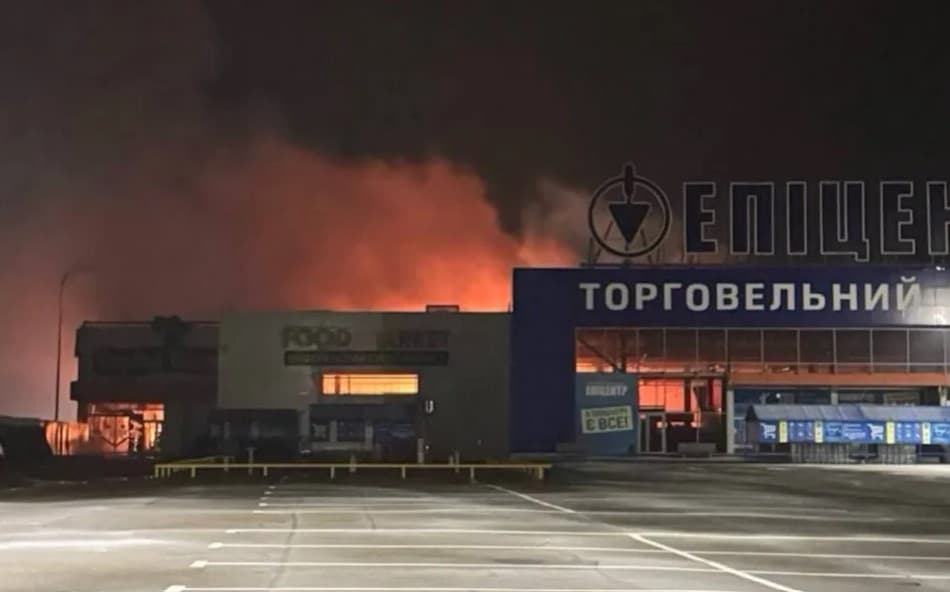
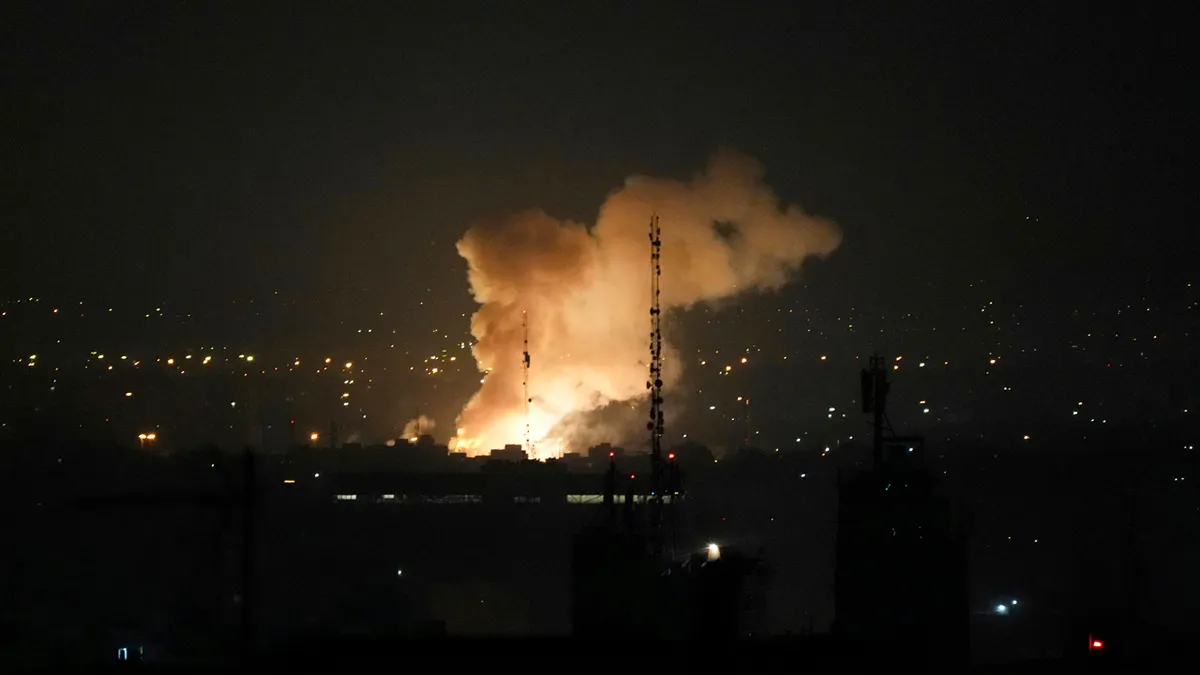
In the early hours of Wednesday July 8, 2026, the US military bombarded military installations belonging to the IRGC and the Army of the Islamic Republic across southern Iran. The strikes hit multiple radar systems, communication towers, IRGC docks and speedboats, drone sites and ammunition depots across Bandar Abbas, Sirik, Qeshm, Hengam Island and Jask Port.
CENTCOM confirmed that the United States had struck southern Iran on Qeshm Island, in Bandar Abbas and in Sirik overnight. Fars reported 10 explosions in Sirik and four in Mesen on Qeshm Island.
The strikes on Wednesday were four or five times bigger in scope and power than the strikes 10 days ago, another US official told Axios.
CENTCOM stated: "At the direction of the Commander in Chief, US Central Command forces have started conducting additional strikes against Iran to further degrade their ability to threaten freedom of navigation in the Strait of Hormuz. The United States is holding Iran accountable for recent unjustified aggression against commercial shipping and civilian crews freely navigating a vital international waterway."
The US strikes targeted Iranian air defence systems, coastal surveillance systems, surface-to-air missiles, antiship cruise missiles and drone launch sites.
The strikes spanned six locations across Iran's southern coastal provinces:
At least 14 people have been reported dead following the two days of attacks, and 78 were wounded across five Iranian provinces. Spokesman for the Iranian Ministry of Health Hossein Kermanpour said 47 wounded people remain in hospital.
Eight Iranian Air Force and Navy personnel were killed in the coastal strikes on Bandar Abbas and Bushehr.
The ISNA news agency reported a US strike on the city of Sirik which hit a fishing pier, killing three people and injuring 15 others. At least one person was killed when airport facilities were hit in Iranshahr, close to the border with Pakistan.
Residents of Bandar Abbas described the collateral impact on civilian livelihoods as devastating. One resident described: "Even though the intended targets are all military, the shrapnel and fallout hit civilian areas. For example, the 'Panj Pleh' fishing dock in Bandar Abbas, located right behind the fish market, was bombed. Several civilian fishing boats, vessels and dhows sank. I personally saw terrified, soaking-wet fishermen scrambling to hoist their remaining boats onto trailers."
"It feels like they have sprayed the dust of death over the entire city," a Bandar Abbas resident told IranWire. "The atmosphere was already restricted, but now it is fully militarized. No independent photographer is allowed anywhere near the bombed sites."
Tehran did not absorb the strikes without response. The IRGC retaliated with attacks on Bahrain, Kuwait and Qatar, where US military assets are located. Sirens went off in all three countries. Iranian strikes hit US military facilities Arifjan and Ali Al Salem in Kuwait, and Juffair and Sheikh Isa in Bahrain.
The IRGC said two bridges on the road to Mashhad — where the late Khamenei will be buried — were hit by the US, and Iran vowed to retaliate.
Iran's Parliament Speaker Muhammad Ghalibaf wrote: "America still hasn't learned that bullying and breaking promises are no longer cost-free. Let me put it plainly: if you strike, you'll get hit."
The strikes coincided with the NATO Summit in Ankara, where Trump was attending alongside world leaders. Speaking at the summit, Trump renewed a threat to target critical civilian infrastructure in Iran, suggesting the US may strike electric plants and desalination plants. "I don't want to do that, but if we have to, we'll take them out," he said.
Trump also criticised NATO allies for refusing to back the United States during its conflict with Iran.
Iran's political leaders condemned the new waves of strikes as a "war crime" and accused Washington of violating the interim deal aimed at ending the war. Tehran launched a formal complaint against the US with the United Nations Security Council.
Iran's top negotiator said the strait "will only open with Iranian arrangements, not American threats."
Iranian Press TV cited a security source saying Iran will close the Strait of Hormuz in the event of any new attacks and will strike enemy targets with a ratio of at least two to one.
Iranian Supreme Leader's advisor Ali Akbar Velayati said: "American actions will push the region towards fire."
The ceasefire that both sides had been trying to build since April is not just strained. Based on the events of July 8 and 9, 2026 — it appears to be finished.
DeSanta News will continue to follow the US-Iran conflict as it develops.
Subscribe to get the latest articles delivered to your inbox.
No comments yet. Be the first to share your thoughts.
Military / War
Military / War
Military / War