DSN WIRESUN 11 OCT 20260351 UTC
Military / War
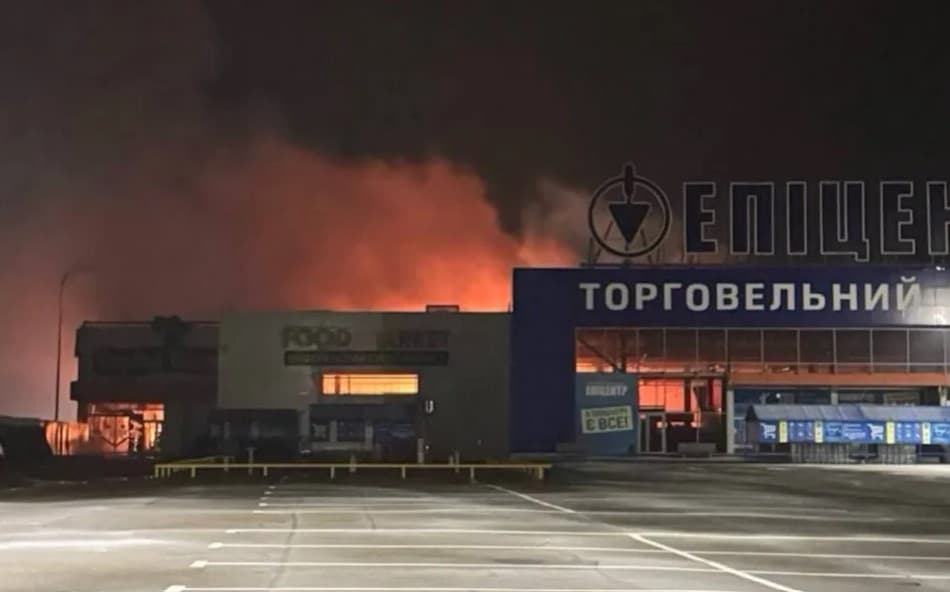
ANALYSISRussian forces struck a shopping center in Pavlograd, Dnipropetrovsk Oblast on July 31, 2026, setting it ablaze and injuring 8 people.
FILED 4 MIN READ
Pavlograd / Dnipropetrovsk Oblast, Ukraine — July 31, 2026
Russia struck a shopping center in Pavlograd on Thursday July 31 — setting it ablaze and injuring eight people. The attack came just 24 hours after a Russian missile killed six members of a large family, including three children, in their home in the same region. Two disasters. Twenty-four hours. One Ukrainian region. This is ordinary life in Dnipropetrovsk Oblast in 2026.
Russian forces attacked Pavlohrad in Ukraine's Dnipropetrovsk region, causing a fire at a shopping complex. Head of the Dnipropetrovsk Regional Military Administration Oleksandr Hanzha reported the attack on Telegram. Preliminary reports indicate that eight people were injured.
A shopping complex in Pavlohrad ignited after a renewed strike, officials reported. Witnesses described civilian infrastructure damage that raises urgent questions about intent and accountability.
The shopping center — a gathering place for civilians going about their ordinary daily lives — was set ablaze by the Russian strike. Emergency services were immediately dispatched to contain the fire and treat the injured. Eight people received medical treatment following the attack.
The Pavlograd shopping center strike did not occur in isolation. It was the second devastating blow to Dnipropetrovsk Oblast in 24 hours.
Overnight on July 30, Russian forces launched a strike on the Kryvyi Rih district. A missile hit a private house in the village of Radushne, where a large family lived. Six people were killed, including three children. Nine people were injured, and five children remain missing.
A family home. Six dead. Three of them children. Nine more injured. Five children whose fate remains unknown — missing under rubble, or missing in the chaos of an overnight strike on a village in the dark.
The missile did not hit a military base. It did not hit a weapons depot or a command center. It hit a private house where a large family was sleeping.
Pavlograd is a city of approximately 100,000 people located in Dnipropetrovsk Oblast, roughly 100 kilometers from the active fighting in Donetsk Oblast. It is far enough from the front that its residents might reasonably hope for some protection from the daily violence. They do not get it.
Russia regularly hits Pavlograd, home to a chemical plant that produces explosives. The city is located about 100 km from fighting raging in the neighbouring Donetsk region.
Russia justifies its strikes on Pavlograd by citing the presence of the Pavlograd Chemical Plant — one of Ukraine's primary producers of rocket fuel and solid propellants for missiles. But the strikes consistently hit far beyond any military-industrial target. Shopping centers. Apartment buildings. Private homes. Nova Poshta parcel delivery offices. Star Brands warehouses.
Russian Shahed drones struck a Star Brands warehouse in Pavlograd on April 7, causing a large fire, damaging about 5,500 square meters and forcing evacuations and logistics rerouting.
Russian strike in Pavlohrad wounded five people, including a 6-year-old boy. The child received outpatient treatment. Three adults were hospitalized, with doctors assessing their condition as moderately severe.
The list of Pavlograd strikes in 2026 alone covers shopping centers, warehouses, apartment buildings, private homes and parcel delivery facilities. The pattern is consistent: Russia strikes whatever it can reach in Pavlograd, and civilian life in the city pays the price.
The leadership of Russia denies that the Russian army conducts targeted strikes against civilian infrastructure in Ukrainian cities and villages. Russian state media insists every strike targets military or military-industrial infrastructure.
The shopping center that burned on July 31 disagrees. The eight people injured in it disagree. The three children killed in their family home in Radushne the night before disagree.
The Pavlograd shopping center strike and the Kryvyi Rih family massacre are two data points in an almost incomprehensible accumulation of violence against Ukrainian civilians in 2026.
In July 2026 alone — the month in which these two attacks occurred — Russian strikes killed at least 377 Ukrainian civilians and injured 2,129 others. The deadliest month for Ukrainian civilians since April 2022. Every single day of that month, Russian weapons found Ukrainian civilian targets. Shopping centers. Private homes. Apartment buildings. Playgrounds. Markets. Railway stations. Breweries. Parcel delivery warehouses.
The Russian forces regularly strike with various types of weapons — strike UAVs, missiles, guided air bombs (KABs), and MLRS — at cities and civilian infrastructure across Ukraine. The Ukrainian authorities and international organizations characterize these strikes as war crimes by the Russian Federation, underscoring their deliberate nature.
Emergency services in Pavlograd are treating the eight injured from the shopping center strike. Search teams in Radushne are still looking for five missing children. The Dnipropetrovsk Regional Military Administration continues to document every strike, every casualty and every piece of destroyed civilian infrastructure — building the case for the international legal accountability that Ukraine has been demanding since February 2022.
The shopping center fire has been extinguished. The search for the missing children continues.
DeSanta News will continue to follow the situation in Pavlograd, Kryvyi Rih and across Dnipropetrovsk Oblast.
Subscribe to get the latest articles delivered to your inbox.
No comments yet. Be the first to share your thoughts.
Military / War
Military / War

Military / War