DSN WIREFRI 18 SEP 20262011 UTC
Military / War
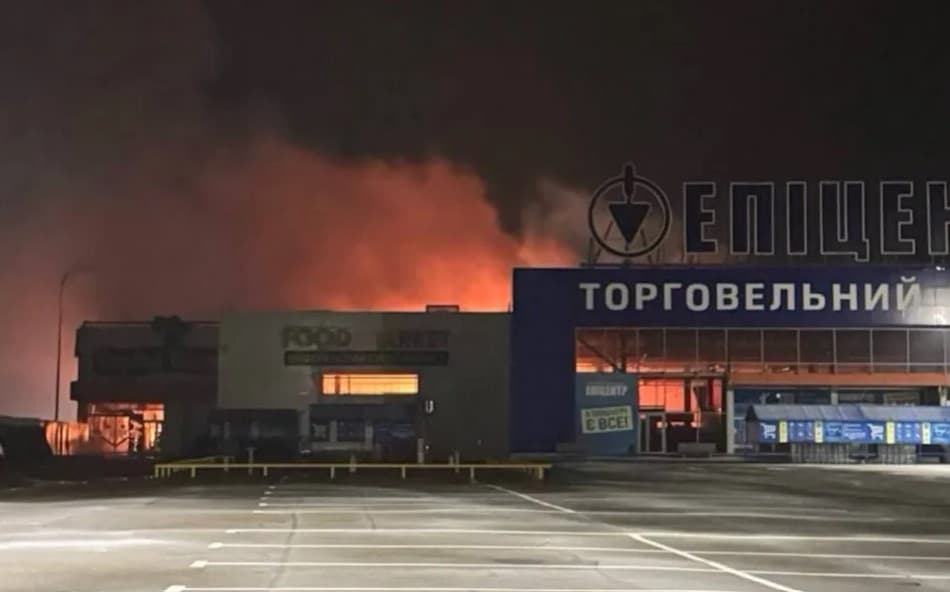
EXPLAINERUkrainian SSU units struck three oil depots in Russia's Stavropol region simultaneously overnight on July 19, 2026
FILED 5 MIN READ
Stavropol / Black Sea / Kyiv — July 19, 2026
In one of the broadest single-night campaigns of Ukraine's energy war, Ukrainian forces struck four oil facilities in Russia's Stavropol region simultaneously, set three Russian shadow fleet tankers ablaze in the Black Sea and hit logistics centers near Moscow and in Tambov Oblast — all in a single overnight operation confirmed by President Zelensky and the Ukrainian General Staff.
We continue to respond to Russian strikes in a fully justified and accurate manner, Zelensky said on X. "Today, Ukraine's long-range sanctions reached designated targets that support and finance Russia's aggression. SSU units struck three oil depots in the Stavropol region at once, while units of our Armed Forces hit another fuel facility in the same region. Direct hits were recorded on three Russian shadow fleet tankers in the Black Sea. I thank every one of our units that is helping spread the realization in Russia that this war must end. Glory to Ukraine!"
The General Staff separately confirmed overnight strikes on the Nafto-Servis oil depot in the town of Noginsk in Moscow Oblast, sparking a fire, and on vessels in the Sea of Azov and the Black Sea. A strike on a Project 10410 Svetlyak-class patrol ship in Kerch was also confirmed — the second ship of this type struck in two days.
Ukrainian President Volodymyr Zelensky said logistics facilities struck in Russia's Moscow and Tambov oblasts were used to supply sanctioned components for drone production and navigation equipment. Fires broke out at an oil depot and a Wildberries logistics center — belonging to the largest Russian online retailer — in the towns of Noginsk and Elektrostal near Moscow.
The Stavropol region in southern Russia has emerged as one of Ukraine's most consistently targeted energy corridors. Ukrainian drones struck two Russian oil depots overnight in Tver Oblast and Stavropol Krai on July 9 — more than 500 kilometers from Ukraine. The Security Service of Ukraine confirmed the strikes on the Krasnaya Zvezda facility and the Stavropolskaya oil depot, both of which are used to receive, store and distribute gasoline and diesel fuel for the Russian military.
Tonight's strikes represent a dramatic escalation — four Stavropol-area facilities hit simultaneously in a single operation. "The SBU continues its systematic work to strike Russia's oil sector — one of the key sources of financing for the war against Ukraine," the agency said.
The Stavropol region is strategically significant beyond simply its oil infrastructure. It sits at the gateway to Russia's North Caucasus — a region through which fuel and military supplies flow southward to support Russian forces. Degrading fuel storage capacity in Stavropol has direct consequences for Russia's ability to sustain operations across the southern theater.
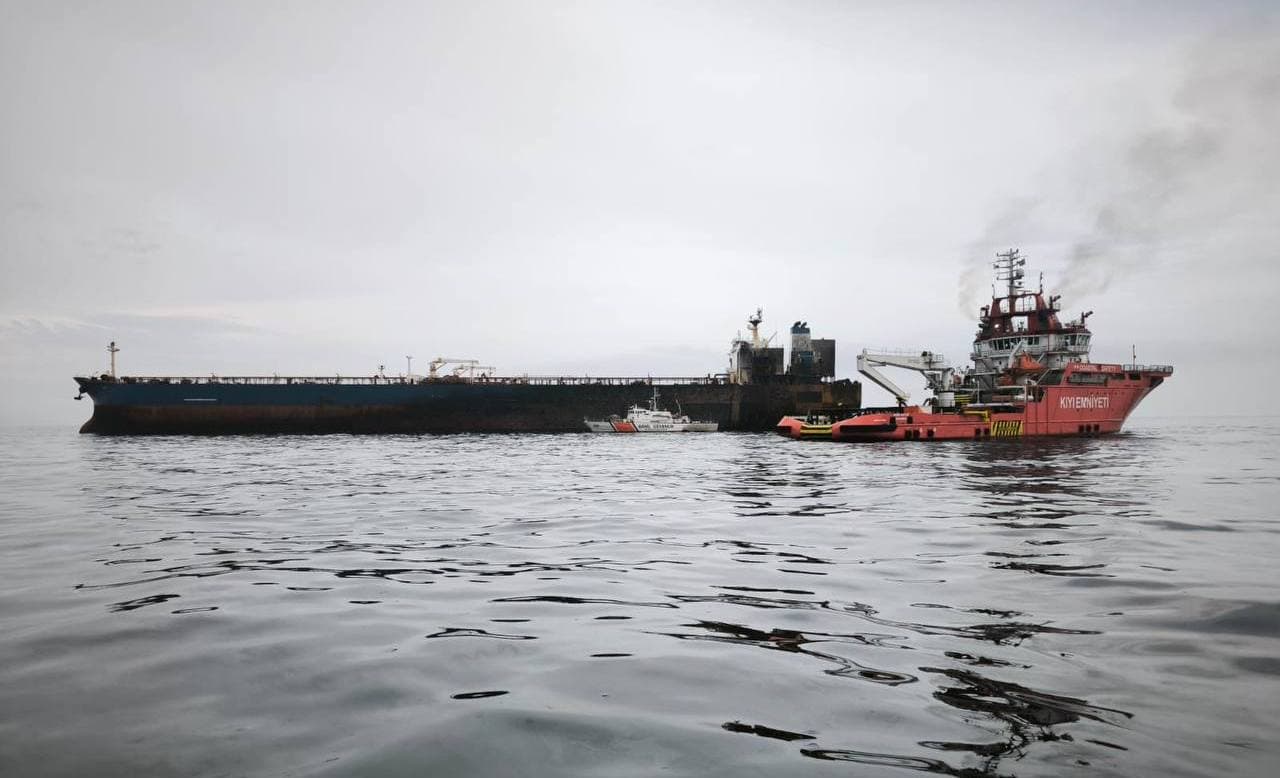
The confirmation of three shadow fleet tanker hits in the Black Sea is part of one of the most remarkable maritime campaigns of the entire war.
Kyiv says it has hit 159 vessels linked to Russia's so-called shadow fleet during a 12-day drone campaign in the Black Sea and Sea of Azov. Ukrainian officials have said the operation is aimed at disrupting the transportation of oil and other commodities that circumvent Western sanctions, depriving Moscow of the petrodollar revenues it uses to fund its war machine.
Ukraine struck two tankers, including a gas carrier, as well as a tugboat in the Black Sea and the Sea of Azov overnight on July 17. Nine dry cargo ships, one oil tanker, one gas carrier and one tugboat were confirmed hit in a broader attack. In the Sea of Azov, Ukrainian drones set two oil tankers ablaze, according to the Rostov regional governor, who said one of the ships was still burning and the crews had been evacuated.
Russia's shadow fleet — a network of aging, often uninsured tankers operating under flags of convenience with transponders switched off — has been the primary mechanism through which Russia continues to sell oil despite Western sanctions. Each vessel struck is a reduction in Russia's capacity to earn the petrodollars that fund its missile production. Ukraine struck an oil depot in Russia's Stavropol Krai and hit several targets in the occupied territories overnight, monitoring channels reported. The SBU stated: "The SBU is actively pursuing measures to diminish petrodollar income to the Russian budget."
The Stavropol and Black Sea strikes were only part of what Ukraine hit overnight.
Ukrainian forces struck two Russian logistics centers, an oil depot and several targets in the Azov and Black Seas overnight on July 18-19, Zelensky and the General Staff confirmed. "These are Russian logistics facilities, specifically warehouses used to supply war materiel: navigation equipment, components for drone production, and other supplies for the Russian army," Zelensky said.
A fire also broke out at the Wildberries fulfillment center in Elektrostal, Moscow Oblast — Russia's largest online retailer — following a Ukrainian drone strike. The Tambov logistics center hit overnight is located more than 700 kilometers from the front lines.
The Russian Tu-95 strategic bomber — the aircraft Russia has used throughout the war to launch Kh-101 cruise missiles at Ukrainian cities — also suffered critical damage in a strike on Engels air base. "We are increasing the price Russia pays for its aggression against our country and our people," Zelensky said.
The scale of Ukraine's energy war campaign against Russia in July 2026 alone is staggering.
The Omsk refinery — Russia's largest — was struck on July 6 and is now partially offline. The Moscow Kapotnya refinery remains shut until at least early 2027. The Nizhnekamsk TANECO and TAIF-NK refineries were simultaneously struck on July 8. The Saratov refinery — which supplies fuel to Russia's strategic bomber base at Engels — was set ablaze the same morning. Shadow fleet tankers are being struck at a rate of multiple vessels per night. Oil depots from Stavropol to Tver to Moscow Oblast are burning simultaneously.
Ukraine has struck over 194 Russian oil facilities in the first half of 2026 alone. Ukrainian drone units have struck over one million targets since the start of 2026, including nearly 200,000 Russian troops. Ukraine is using UAVs to strike around 90% of Russian targets, according to the Defense Ministry.
Russia's fuel crisis is now systemic. More than 25 regions face fuel shortages. The shadow fleet — Russia's primary sanctions-evasion mechanism for oil exports — is being systematically destroyed. And the petrodollars that fund Russia's missile production are being cut off, one burning tanker at a time.
DeSanta News will continue to follow Ukraine's energy war campaign as it develops.
Subscribe to get the latest articles delivered to your inbox.
No comments yet. Be the first to share your thoughts.
Military / War
Military / War

Military / War