DSN WIREFRI 18 SEP 20262014 UTC
Military / War
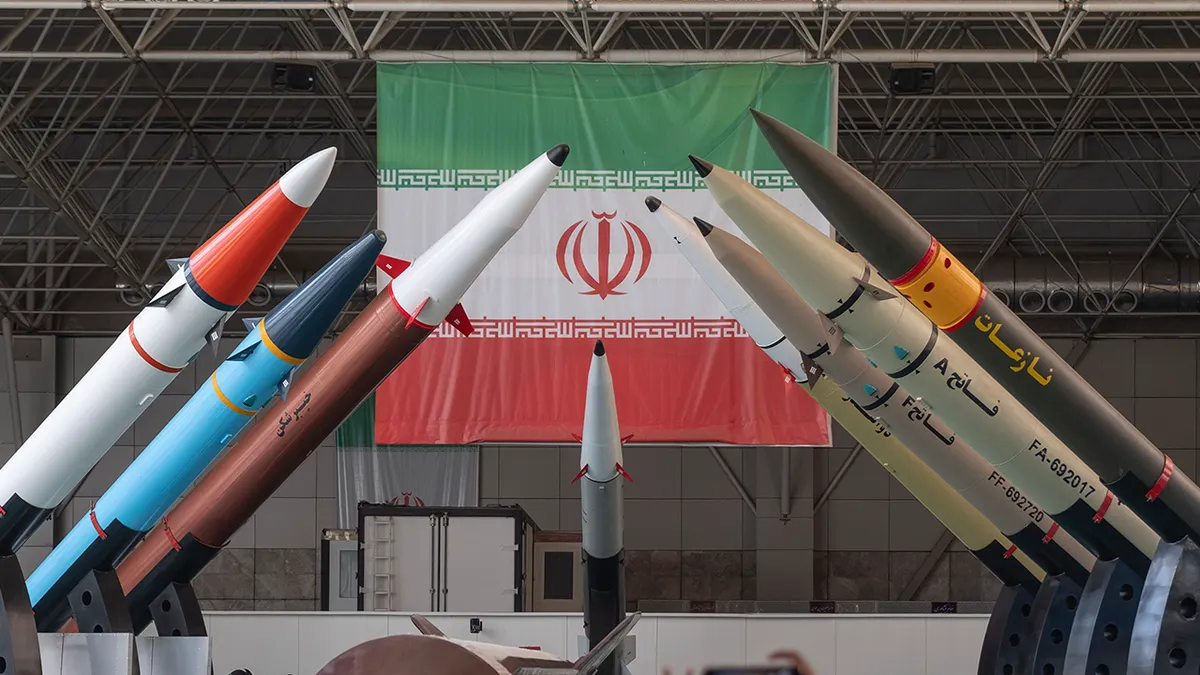
ANALYSISIran fired ballistic missiles at US military positions in Kuwait on July 12–13, 2026, with footage showing large fires at suspected US HIMARS units. Kuwait confirmed three border centers and an offshore oil drilling platform were struck.
FILED 5 MIN READ
Kuwait City / Strait of Hormuz — July 13, 2026
The Middle East war has entered its most dangerous phase yet. Iran fired ballistic missiles directly at US military positions in Kuwait — triggering massive fires at suspected HIMARS rocket launcher units — as Tehran simultaneously launched attacks on five other Gulf states, declared the Strait of Hormuz closed to all navigation, and sent global oil prices surging 9.6% to $83 a barrel in a single day.
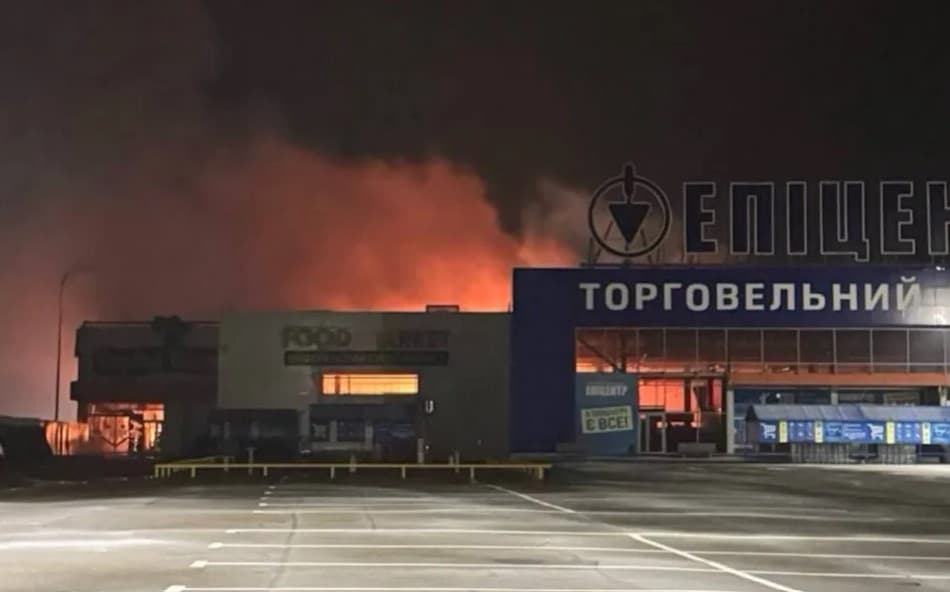
Footage circulating rapidly across social media platforms on July 12 showed large plumes of smoke and visible fires rising from at least one impact location near suspected US military infrastructure in Kuwait.
Social media footage and Kuwaiti source descriptions indicated that three ballistic missiles achieved direct impacts on a site housing US ATACMS ground-to-ground systems in Kuwait. Large plumes of smoke visible in shared videos suggested significant secondary effects consistent with warhead detonation near vehicle-based launchers or support equipment.
The Iranian army in a statement said it conducted drone strikes that targeted communication systems, fuel tanks, a Patriot air defense system, a watchtower and an ammunition depot at what Iran described as a US military base in Kuwait. The attacks were described as retaliation for "repeated US aggression against Iran." Iran's Fars news agency also reported that the IRGC targeted US HIMARS missile launchers in Kuwait.
Kuwait confirmed three of its border centers and an offshore oil drilling platform came under attack, causing "material damage" and wounding one worker.
This is not Kuwait's first experience of Iranian missile fire. Kuwait has been one of the most consistently targeted countries in the Gulf throughout the 2026 Iran war.
An Iranian drone struck the US garrison at Camp Buehring in northeastern Kuwait earlier in the war. Another Iranian missile attack targeted a makeshift operation center near the civilian port of Shuaiba — killing six US soldiers and wounding dozens, with 38 hospitalized. Iranian drones struck a fuel tank at Kuwait International Airport, starting a fire. Iranian attacks damaged Kuwait's Mina Al-Ahmadi refinery. Iranian missile debris killed an Indian worker in Kuwait. The Camp Canada military base within Ali Al Salem Air Base was struck by Iranian missiles.
The Kuwaiti Ministry of Defense reported that 67 Kuwaiti service members have been wounded during the conflict. Kuwait's Emir Mishal Al-Ahmad said his country was facing "an unprovoked attack from a neighboring Muslim country which we consider a friend, and to which we did not allow the use of our land, airspace or waters for any military action against it."
In scenes reminiscent of the first days of the US-Iran war, Iran unleashed waves of major, simultaneous missile and drone attacks across the Gulf on Sunday morning, targeting Qatar, the UAE, Bahrain, Kuwait, Jordan and Oman — following another night of US airstrikes across southern Iran.
Euronews journalists in Qatar reported two waves of Iranian attacks within two hours on Sunday morning, observing several Iranian ballistic missile interceptions above the city, followed by loud booms and shockwaves across the capital. National emergency air raid alerts rang out twice on mobile phones in Qatar. Three people including one child were injured by falling debris from interception operations.
The UAE announced its air defense systems were engaging Iranian missiles and drones. The IRGC claimed it targeted a US radar site in Kuwait and destroyed a command-and-control center and drone hangars at a US base in Jordan. Iran also claimed it struck American naval assets in the port of Duqm in Oman. Kuwait's defense ministry said it detected 30 ballistic missiles and drones launched by Iran.
Iran's Revolutionary Guard declared the Strait of Hormuz closed to navigation on Sunday — one of the most economically consequential acts of the entire war. Supreme Leader adviser Mohsen Rezaee called the waterway "more important than dozens of atomic bombs."
CENTCOM responded: "Iran does not control the Strait of Hormuz. It remains an international waterway. US forces are positioned and prepared to keep it that way."
Trump announced the US would reimpose a blockade of Iranian ports. US forces have now forcibly halted six ships attempting to violate the blockade.
The market reaction was immediate and violent. Brent crude, the global oil benchmark, soared 9.59% to settle at $83.30 per barrel — its highest level since June 12 — posting its biggest single-day percent gain in over six years. WTI, the US oil benchmark, rose about 9.4% to settle at $78.14 per barrel.
Oil prices remain well below their Iran war peaks above $110 per barrel, but have rebounded sharply after declining in recent weeks. Resurgent tensions between Washington and Tehran and a halt in ships transiting the Strait of Hormuz have sent oil prices climbing again.
The US strikes were conducted in response to a new Iranian attack on a Cyprus-flagged container ship in the Strait of Hormuz on Saturday, setting it ablaze and forcing its crew to abandon it. One of 11 Indian crew members is missing.
CENTCOM completed strikes against approximately 140 Iranian military targets on July 11 — more than 300 targets across three nights of operations. Iran's Revolutionary Guard warned that "the time for restraint is over" and that new US attacks "will result in even more devastating responses," while insisting it alone must control navigation through the Strait of Hormuz.
Trump offered few details on how he planned to ultimately bring the war to an end, insisting at points that he would eventually be able to negotiate a settlement with the Iranian regime. But he acknowledged that there was little expectation a deal would materialize soon. "You have to get people that want to make something," he said. "We had a deal with them two days ago, and then they said, 'Oh, we can't make that deal. We have to negotiate it further.'"
The pattern of the past 135 days shows no sign of breaking. Iran strikes ships. The US strikes Iran. Iran strikes Gulf states. Oil prices rise. The world watches the Strait of Hormuz and waits.
DeSanta News will continue to follow the Iran war as it develops.
Subscribe to get the latest articles delivered to your inbox.
No comments yet. Be the first to share your thoughts.
Military / War
Military / War
Military / War