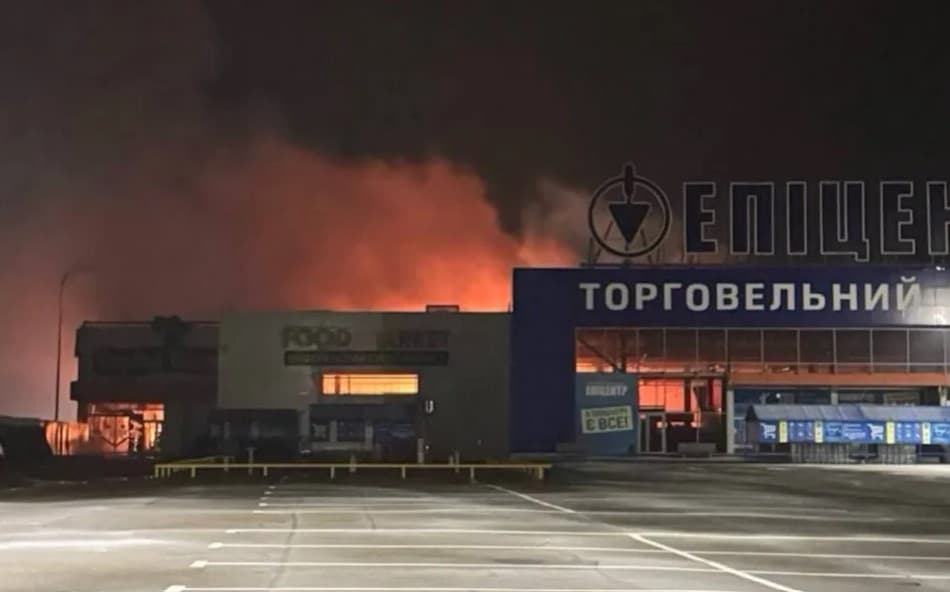
DSN WIREFRI 18 SEP 20262014 UTC
Military / War
ANALYSISIran struck Kuwait's Mina Al-Ahmadi oil refinery and a power and water desalination plant on July 18–19, 2026
FILED 5 MIN READ
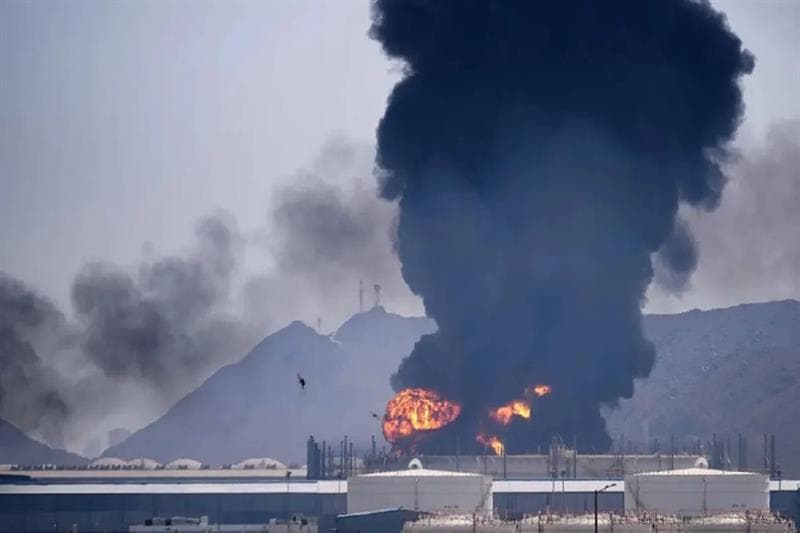
Kuwait City, Kuwait — July 18–19, 2026
Kuwait has experienced its worst night of Iranian attacks since the 2026 war began. Iran struck the country's vital oil refinery and a power and water desalination plant for the second consecutive day — suspending flights, knocking out power generation units and leaving Kuwait's civilian population directly exposed to the consequences of a war they did not start and did not choose.
Kuwait said on Saturday that Iran struck a power and water plant as well as an oil facility, accusing it of targeting civilian infrastructure as the Middle East war escalates. It followed a seventh night of strikes by the United States on Iranian targets, which prompted attacks by Tehran on US-allied countries in the Gulf.
"Another electricity and water distillation plant was targeted by a hostile attack that led to a fire erupting in one of the plant's components," Kuwait's Ministry of Electricity and Water said in a statement. It said several power generation units were deactivated due to the attack.
Kuwait Petroleum Corporation said on Saturday that one of its vital oil facilities was hit in repeated Iranian attacks, causing "significant material damage and some injuries." "The injured were provided with medical assistance and the site was evacuated, while the response to the attack is being handled in coordination with the relevant state authorities," the corporation said.
A Kuwaiti oil refinery came under Iranian drone attack early Friday and sirens in Israel warned of incoming fire. Kuwait said two waves of drone strikes at its Mina Al-Ahmadi oil refinery sparked a fire and crews were working to control the blaze. The refinery, which can process some 730,000 barrels of oil per day, was already damaged Thursday in another Iranian attack. It is one of three oil refineries in Kuwait, a small, oil-rich Gulf nation.
The Mina Al-Ahmadi refinery is not merely Kuwait's largest oil processing facility — it is one of the most strategically significant refineries in the entire Persian Gulf region. At 730,000 barrels per day of processing capacity, it represents a substantial fraction of Kuwait's total oil refining capability and sits at the heart of the country's petroleum export infrastructure. Two days of consecutive Iranian strikes on this single facility represent a direct and sustained attack on Kuwait's economic lifeblood.
Kuwait suffered one of its worst nights of Iranian retaliatory attacks since the conflict in the Middle East began, with a second power plant hit in as many days and flights suspended. The latest barrage, which triggered multiple rounds of sirens from around dawn Saturday, followed several days of strikes on the Gulf state, one of them hitting a Kuwait army barracks, injuring a number of personnel, Kuwait Army said.
Kuwait suspended all flights as air defense systems engaged waves of incoming Iranian drones and missiles across the country. Multiple rounds of air raid sirens sounded across Kuwait City from dawn onwards.
Critical infrastructure in Kuwait was a "relatively attractive target" for Iran as it sought to escalate without risking a larger response from its Gulf neighbors, international relations expert Dr. Arman Mahmoudian, a research fellow at the University of South Florida's Global and National Security Institute, explained to The Jerusalem Post. Kuwait hosts important US military infrastructure and serves as a major logistical hub for American operations, allowing Iran to justify its attacks while, unlike many other Gulf states, presenting "more limited military capabilities and, arguably, less willingness to retaliate."
As for why civilian critical infrastructure became a target rather than just US military assets, Mahmoudian explained it was likely a "message to the United States." "Over the past several days, reports have suggested that the United States has expanded its strikes against Iran's critical infrastructure in southern Iran," he noted.
Kuwait's experience is mirrored across the Gulf. Iran is not targeting one country — it is targeting six simultaneously.
Iran has stepped up attacks on Kuwait and Bahrain in recent days, both of which host major US military installations. In Bahrain, the army said its air defences repelled a wave of "treacherous Iranian aerial assaults" on Saturday, as an AFP journalist in Manama reported hearing blasts after sirens sounded. The interior ministry said air-raid sirens had sounded five times since dawn, urging residents to take shelter. Drones targeted "aircraft shelters and parking areas, fuel storage tanks of the US military at Sheikh Isa Air Base, as well as several connecting bridges in Bahrain," the Iranian army said.
The UAE, Qatar, Oman and Jordan have all been struck in the same wave of Iranian operations — making this the widest geographic spread of Iranian attacks since the war began on February 28.
The simultaneous targeting of Kuwait's Mina Al-Ahmadi refinery — processing 730,000 barrels per day — alongside oil facilities across Bahrain, the UAE and Saudi Arabia's SAMREF refinery represents a coordinated effort to demonstrate Iran's ability to threaten the Gulf's oil export infrastructure.
Oil prices have already surged 9.59% to $83.30 per barrel following the latest round of escalation. Every strike on Gulf refining and desalination infrastructure raises the risk premium embedded in global oil prices and sends a direct signal to international energy markets that the Gulf's production and export capacity is no longer secure.
The pattern of the past week shows no sign of breaking. The US strikes Iran. Iran retaliates against Gulf states. Kuwait's refineries and power plants burn. Oil prices rise. And the cycle begins again.
Kuwait has called these attacks what they are — strikes on civilian infrastructure designed to terrorize a civilian population and pressure an ally of the United States. The country has not attacked Iran. It has hosted American military personnel on its sovereign territory. For Iran, that is sufficient justification to strike its power plants and oil refineries.
DeSanta News will continue to follow the situation in Kuwait and across the Gulf as the Iran war escalates.
Subscribe to get the latest articles delivered to your inbox.
No comments yet. Be the first to share your thoughts.
Military / War
Military / War

Military / War