DSN WIRESUN 11 OCT 20260420 UTC
Military / War
ANALYSISThe United States struck IRGC command centers, air defense systems and radar sites near the Strait of Hormuz on June 9, 2026
FILED 3 MIN READ
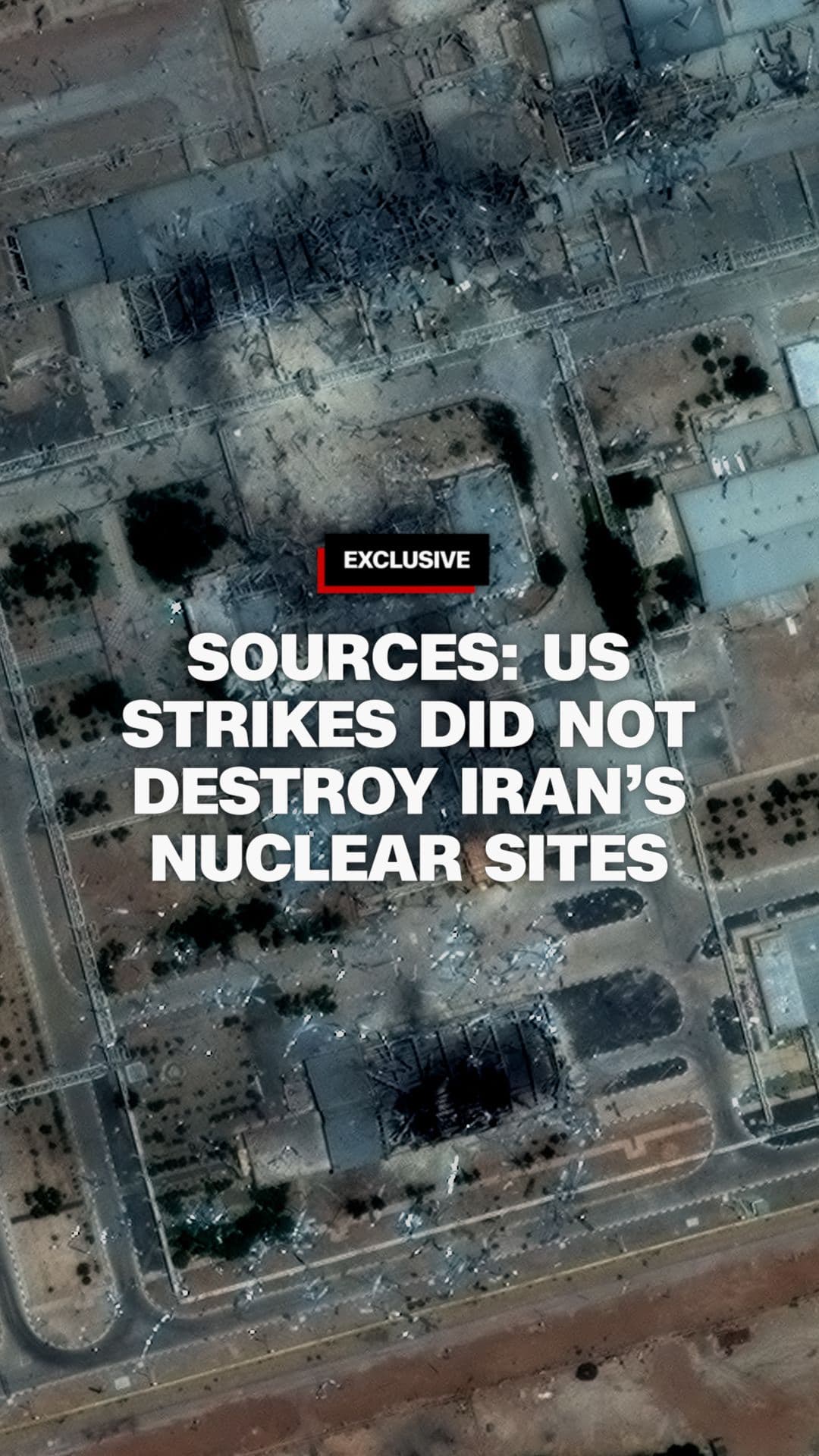
Strait of Hormuz / Middle East — June 9–10, 2026
The ceasefire is over. In one of the most significant escalations of the Iran war since Operation Epic Fury began in February, the United States struck Iranian command and control infrastructure on June 9 — and Iran hit back harder than at any point in weeks, claiming strikes on 21 American military targets across the Middle East in a single night.
CENTCOM said the strikes were ordered by President Donald Trump in response to the downing of a US Army Apache helicopter by Iranian fire near the Strait of Hormuz.
The loss of an Apache — one of the US military's most advanced attack helicopters — represented a significant escalation by Iran and triggered an immediate and forceful American response.
CENTCOM forces struck Iranian air defense systems, ground control stations, and surveillance radar sites near the Strait of Hormuz with precision munitions from US Air Force and Navy fighter jets. The operation was described as a proportional response to recent attacks on US forces and international commercial ships transiting regional waters.
CENTCOM described the operation as a "proportional response" and said US forces remain prepared to defend against further attacks.
The strikes destroyed IRGC command and control infrastructure that had been directing operations against US naval vessels and commercial shipping in and around the Strait of Hormuz — the critical chokepoint through which approximately 20% of the world's oil supply passes.
Iran did not wait long to respond.
Iran said it targeted 21 US military assets including the Fifth Fleet headquarters in Bahrain and facilities in Jordan. The IRGC claimed Kheibar Shekan missiles struck F-35 hangars and a command center at the Azraq base in Jordan. Tehran warned that any future American attack would trigger broader and more severe regional retaliation.
The IRGC stated: "In response to this malicious act by the enemy, the IRGC Navy launched a drone attack on the Bahraini Fifth Fleet at 2:30 AM. Clashes are ongoing."
Jordan, Bahrain and Kuwait all said they intercepted aerial attacks targeting their territory during the overnight exchange.
The scale of Iran's retaliation — targeting 21 sites across multiple countries simultaneously — represents a dramatically expanded Iranian willingness to strike American allies and regional partners as part of its response to US military action.
Iranian military officials stressed that hostile actions would be met with responses that are "harsher and more severe." Iranian officials have repeatedly accused the United States of violating understandings reached in April and warned that continued military pressure risks expanding the conflict beyond Iran's borders.
The latest exchange comes despite ongoing ceasefire efforts and negotiations between Tehran and Washington — negotiations that now appear to be in serious jeopardy following the most intense single night of US-Iran military exchanges in weeks.
The cycle is accelerating. Iran shoots down an Apache. The US strikes IRGC command centers. Iran retaliates against 21 targets. The US responds again.
Each round of escalation brings the region closer to a point of no return — a full-scale resumption of the Iran war that both sides claim they want to end but neither seems able to stop.
DeSanta News will continue to follow this breaking story throughout the night and into Wednesday June 10.
Subscribe to get the latest articles delivered to your inbox.
No comments yet. Be the first to share your thoughts.
Military / War
Military / War

Military / War