DSN WIRESUN 11 OCT 20260423 UTC
Military / War
ANALYSISUkraine's Security Service (SSU) struck the Yaroslavl-3 oil pumping station 700 kilometers inside Russia, setting three crude oil reservoirs ablaze across more than 5,000 square meters.
FILED 3 MIN READ
Yaroslavl Region / Krasnodar Krai, Russia — June 13, 2026
Ukraine's Security Service carried out one of its most strategically significant overnight operations yet — striking deep into Russian territory to hit two of the country's most critical energy infrastructure facilities simultaneously, setting massive fires burning across thousands of square meters of Russia's oil and gas network.
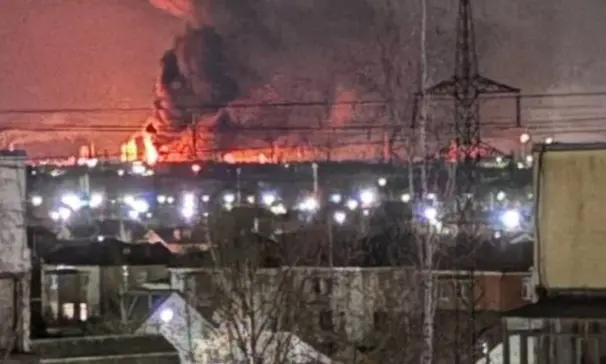
Specialists from the SSU's Alpha Special Operations Center targeted the strategic Yaroslavl-3 oil pumping station, which has its own storage tank facility, in Russia's Yaroslavl region. The Yaroslavl-3 oil pumping station is part of the Baltic Pipeline System (BPS-1) and supplies raw materials to the nearby Slavneft-YANOS refinery, as well as to export terminals at the port of Primorsk. Following the SSU drone attack, three crude oil reservoirs caught fire. The fire covered an area of more than 5,000 square meters.
The Slavneft-YANOS refinery in Yaroslavl is one of Russia's top five refineries. The plant produces a wide range of petroleum products including gasoline, diesel fuel, aviation fuel and lubricants. Its output supplies major industrial consumers across central and northwestern Russia, as well as transport infrastructure and elements of the military-industrial sector.
The Yaroslavl strike is among the deepest successful drone strikes Ukraine has carried out against Russian energy infrastructure since the war began — reaching more than 700 kilometers from the Ukrainian border to hit a facility that sits at the very heart of Russia's fuel supply chain for its military and industrial sectors.
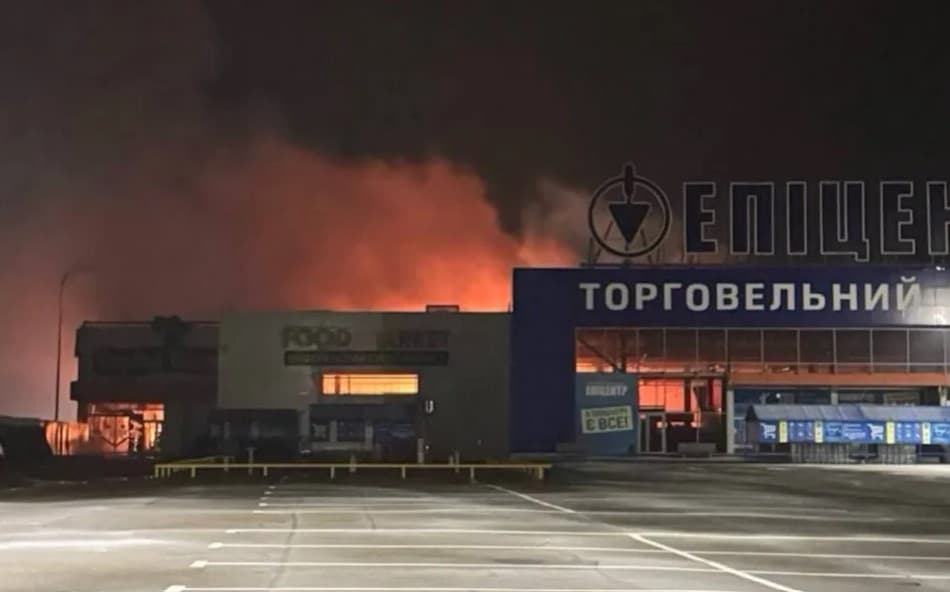
The Security Service of Ukraine, together with fighters from the AFU Special Operations Forces and the Main Intelligence Directorate, carried out an attack on the Tamanneftegaz terminal in southern Russia — described as the largest liquefied hydrocarbon transshipment complex in southern Russia. SSU drones struck five tanks containing petroleum products in the tank farm, as well as two oil loading stands at the terminal. According to intelligence reports, flames also broke out in the area where freight vehicles were parked and near the terminal's warehouse facilities. Russian air defense positions that were protecting the facility were also hit.
The SSU did not mince words about the purpose of these strikes.
"The Russian oil and gas industry is a source of funding the war against Ukraine. It is these petrodollars that are being turned into missiles, drones, and ammunition, which the enemy uses to attack our cities. That is why the SSU will continue to systematically deprive the Russian war machine of the resources it needs to wage war," the agency announced.
These strikes are the latest chapter in Ukraine's systematic long-range campaign against Russia's energy infrastructure — a campaign designed not just to cause immediate damage, but to impose a compounding economic cost on Moscow's ability to fund and sustain its war.
Additional attacks have struck oil facilities in Armavir and Krasnodar Krai, and giant fuel tanks have burned near Yaroslavl after Ukrainian drone attacks. Russia's Volgograd oil refinery was forced to shut down following drone strikes.
Ukrainian President Volodymyr Zelensky said strikes reaching 500 kilometers into Russian territory showed Ukraine reaching deeper into Russian territory. "We are rightfully bringing the war back to where it came from," he wrote.
Every oil tank that burns is fuel that cannot reach Russia's tanks. Every refinery that shuts down is aviation fuel that cannot power Russia's jets. Every export terminal struck is revenue that cannot buy more missiles to fire at Ukrainian cities.
Ukraine is not just fighting a military war. It is fighting an economic one. And on June 13, 2026 — it struck deep.
DeSanta News will continue to follow Ukraine's long-range strike campaign as it develops.
Subscribe to get the latest articles delivered to your inbox.
No comments yet. Be the first to share your thoughts.
Military / War
Military / War

Military / War