DSN WIRESUN 11 OCT 20261416 UTC
Military / War
ANALYSISUkraine is destroying up to 500 Russian military trucks per day along the land corridor Russia uses to supply its occupied territories. Russia lost nearly 7,000 trucks in May 2026.
FILED 5 MIN READ
Southern Ukraine / Occupied Territories — June 28, 2026
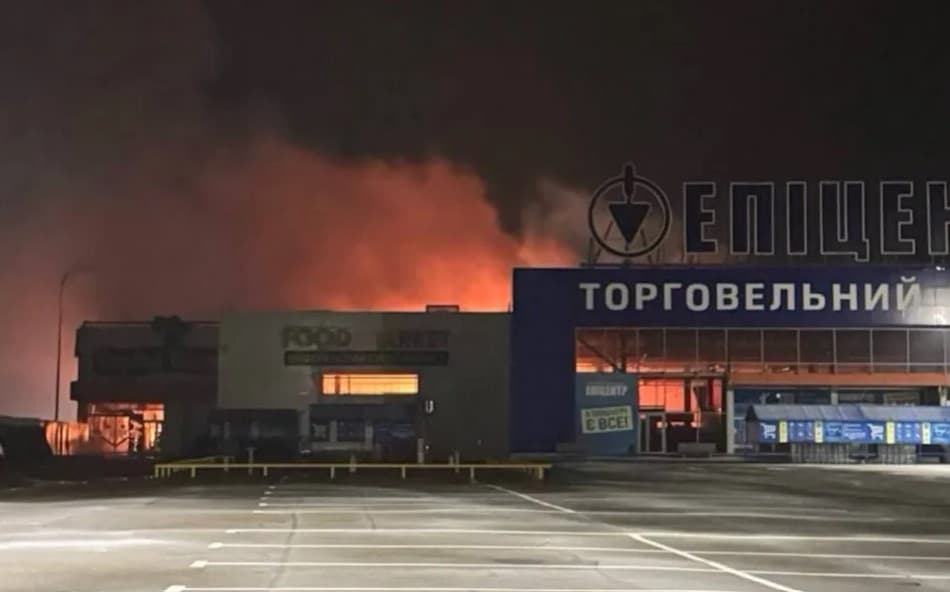
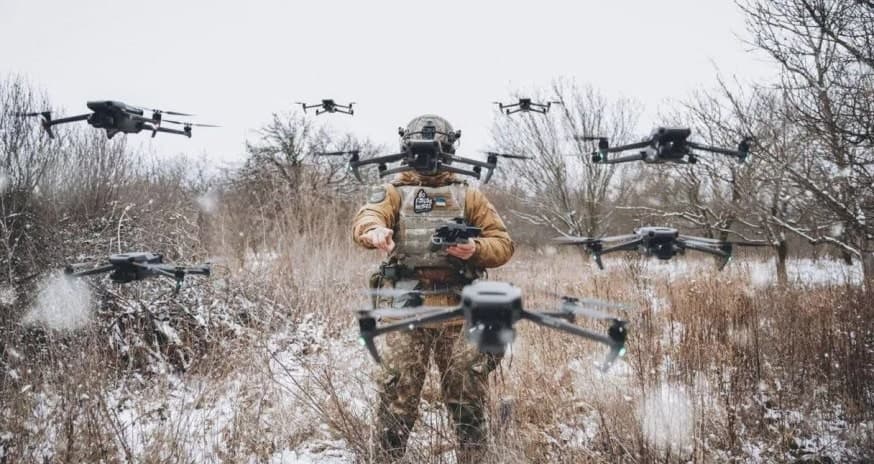
Ukraine is destroying Russia's ability to supply its own war from the inside out. Using AI-guided drones capable of operating autonomously deep behind enemy lines, Ukrainian forces are now eliminating up to 500 Russian military trucks every single day along the land corridor Russia uses to supply its occupied territories — a rate of destruction so severe that Russia is now reportedly considering pulling rusting Cold War era trucks from decades of storage to replace them.
The Ukrainian general staff reported 483 destroyed Russian trucks on May 30, another 524 on May 31 and 384 on June 1. The average across those three days was 463 trucks — more than five times Russia's average daily truck losses since widening its war on Ukraine in February 2022.
According to the Ukrainian defense ministry, Russia lost nearly 7,000 trucks in May, around 6,500 in April and slightly more than 6,000 in March. Cargo vehicle losses in previous months were much lower, including just 4,000 or so per month between December and February.
The acceleration is not gradual. It is exponential. Russia is losing trucks at a rate that five months ago would have seemed impossible — and Ukraine is not slowing down.
According to Robert "Madyar" Brovdi, commander of Ukraine's Unmanned Systems Forces, before the start of the current campaign average daily traffic on the R-280 highway — Russia's critical land corridor connecting occupied Crimea and southern Ukraine to Russia — amounted to 11,000 vehicles, including 3,800 trucks. However, by early June, those figures had fallen to 6,500 and 1,100 respectively.
A 41% reduction in total traffic. A 71% collapse in truck movements specifically. On the single most important supply route in Russia's southern military operation.
Ukraine initially focused these attacks on the highways running through its southern occupied regions of Zaporizhzhia and Kherson. It has since shifted focus to Donetsk in the east and Crimea further south.
The geography of the campaign is gradually expanding. In addition to occupied Zaporizhzhia Region and Crimea, roads in the Donetsk, Luhansk, and Kherson Regions have come under attack, along with the bridges and railway lines that Russian forces regularly use to transport military supplies.
Since late spring these attacks have evolved into a distinct campaign that Ukraine's Ministry of Defense dubbed a "Logistics Lockdown." Its objective is the systematic disruption of supplies to Russian forces in the occupied territories. "Over the past several months, we have quadrupled the destruction of enemy logistics, depots, equipment, command posts, and supply routes at operational depth. A clear pattern is already emerging: the more Russian logistics are destroyed, the fewer assault operations take place along the line of contact," Ukrainian Defense Minister Mykhailo Fedorov said.
Ukraine said it reclaimed more of its territory than it lost during May, reversing a Russian trend of monthly net gains. Several analysts agree with Ukraine's own assessment that May was Russia's worst month for territorial gains since the last months of 2023.
The connection between the logistics campaign and the battlefield results is not a coincidence. It is the strategy working exactly as designed.
Particular attention should be paid to the Hornet drone, which entered service with the Ukrainian Defense Forces in the spring of 2026. An additional 5 billion hryvnias ($113 million) is being allocated directly to military units for the purchase of modern middle-strike systems through the e-points program.
Ukraine's AI drones are stacking up over the Russian logistical zone, each looking for a truck to blow up. AI targeting cuts through Russian electronic warfare. The supply vans aren't reaching the front.
The logic is straightforward: the farther a logistics facility is located from the front line, the more cargo is concentrated there and the larger the area Russia must protect with countermeasures such as electronic warfare systems, anti-drone nets, observation posts, interceptor drones, and mobile air defense teams. Near the line of contact, the destruction of a vehicle carrying fuel canisters may mean the loss of roughly 40 liters of fuel, whereas the destruction of a tanker truck deep in the rear can result in the loss of several tons.
Russia has an immense number of stored trucks — analysts place the number of old Cold War cargo vehicles in storage in Russia at 40,000 or 50,000. That's more trucks than most armies have in their entire inventories, but it's also just 100 days' worth of trucks at the current rate of loss across the logistical zone. Worse for Russian logisticians, most of the stored trucks have been parked "for decades without proper maintenance." According to analysts — "most are junk."
The mathematics are brutal. At 500 trucks per day, Russia's Cold War reserves — even if every single one of them could be restored to operational condition — would last just over three months. Most cannot be restored. They are rust and decay.
Russian independent newspaper Meduza plotted 270 attacks on Russian trucks and logistics centres this year, and found a stark difference in range in the past two months. "The Ukrainian Armed Forces succeeded in changing what had remained unchanged for years. The median attack depth increased from several kilometres to several tens of kilometres."
This is why strikes on routes passing through Rostov-on-Don, Mariupol, and Donetsk, as well as along the roads leading into the partially occupied Zaporizhzhia Region and annexed Crimea, are already causing fuel shortages and may be reducing the overall tempo of Russian operations.
That is both because casualty figures have been rising since last autumn — Ukraine estimated 31,500 Russian casualties in May — and because Moscow's recruitment has been falling, despite increased bonuses to sign-up. Russian opposition source Vazhnye Istorii said 71,200 people had been paid enlistment bonuses in the first quarter of 2026, compared to almost 90,000 in the first quarter of 2025.
Fewer trucks. Less fuel. Fewer supplies reaching the front. Fewer assault operations. Less territory captured. The chain of causation from Ukraine's drone campaign to Russia's battlefield performance is now measurable and documented.
Ukraine is not stopping. The Logistics Lockdown campaign is expanding geographically, deepening in terms of strike range and intensifying in terms of daily volume. The Hornet drone — with its AI targeting capability and range of over 100 miles — is giving Ukrainian operators the ability to find and destroy Russian trucks across the full depth of the occupied logistical zone.
Russia's only counter is to harden its supply routes, disperse its vehicles, increase electronic warfare coverage and hope that Ukraine runs out of drones before Russia runs out of trucks.
Based on the current trajectory — that is not a bet Russia should feel confident making.
DeSanta News will continue to follow Ukraine's Logistics Lockdown campaign and its impact on the battlefield.
Subscribe to get the latest articles delivered to your inbox.
No comments yet. Be the first to share your thoughts.
Military / War
Military / War
Military / War